Floral Watercolor Border Arrangements
As an embroidery designer and product reviewer, I’ve seen countless designs come and go. But when it comes to floral watercolor border arrangements, there’s something undeniably special about them. These illustrations have a soft, dreamy quality that feels both timeless and modern. They’re perfect for adding a touch of elegance to any project, but they also require careful consideration when it comes to execution and application.
The First Impression: A Soft, Artistic Mood
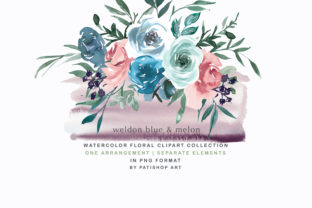
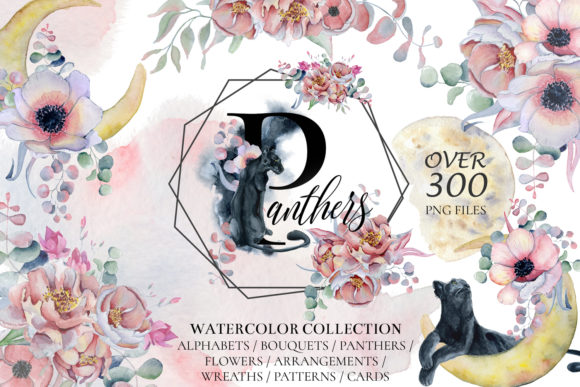
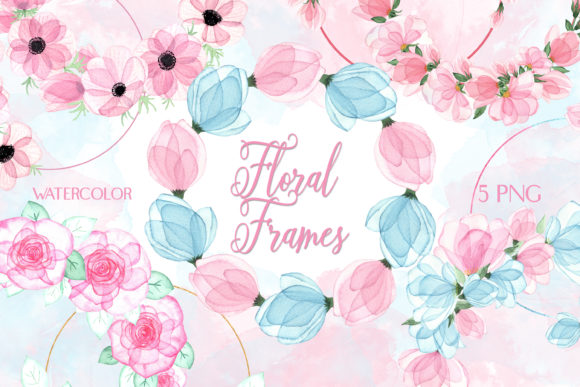
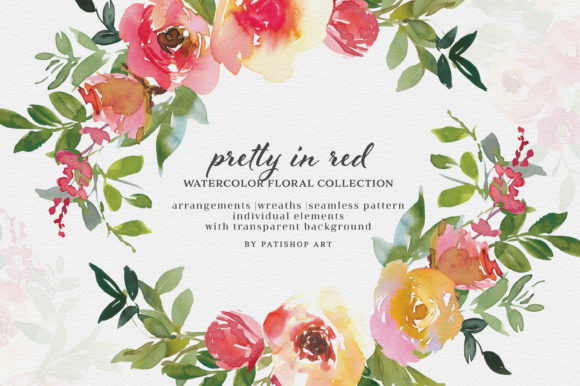
Floral Watercolor Border Arrangements immediately evoke a sense of calm and sophistication. The design features delicate, flowing lines that mimic the look of hand-painted watercolor. The shapes are organic, with subtle gradients and gentle curves that don’t feel too rigid or structured. This makes them ideal for projects that aim to convey a relaxed, artistic vibe.
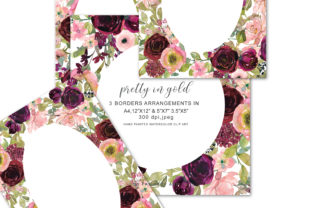
The layout is balanced but not overly formal. It’s designed to wrap around edges or frame a central motif, making it a natural fit for borders on tote bags, pillow covers, or baby items. The detail level is moderate—enough to show texture and depth, but not so dense that it becomes overwhelming or difficult to stitch.
Real-World Use: Where It Shines and Where It Needs Care
I tested Floral Watercolor Border Arrangements on a custom embroidered tote bag for a client who wanted something unique for her boutique. The design worked beautifully on a light-colored cotton fabric, where the soft colors really came through. The stitching was smooth, and the satin and fill stitches created a polished finish without looking too stiff.
However, I noticed that the design didn’t perform as well on darker fabrics. The thread colors needed to be carefully selected to ensure visibility. For example, using a light pink on a black background made the design almost invisible. That’s something to keep in mind if you’re planning to use this on dark garments or home decor items.
Another thing to consider is the hoop size. The design is best suited for medium to large hoops. If you try to fit it into a small hoop, the details can become distorted or lost. This is especially true for the intricate corners and curved sections of the border. If you're working on a cap or a hat, you’ll need to adjust the design or split it into sections for better results.
When to Use It Carefully: Fabric and Design Limitations
Floral Watercolor Border Arrangements isn’t the best choice for every project. On textured or stretchy fabrics, the design can lose some of its clarity. Thin or lightweight materials may not hold up well under the weight of the stitches, leading to puckering or distortion. In such cases, using a proper stabilizer is essential to maintain the integrity of the design.
Also, the design doesn’t work well with tiny lettering or complex patterns. If you’re planning to add text or additional elements alongside the border, you’ll need to ensure they complement the style rather than clash with it. Similarly, if you’re using this as part of a layered garment or a patch, make sure the overall composition remains cohesive.
Impact on Visual Appeal and Customer Perception
One of the strengths of Floral Watercolor Border Arrangements is how it elevates the visual appeal of a finished product. When stitched correctly, it adds a refined, handmade touch that customers often associate with quality and care. This can significantly boost the perceived value of your product, whether it’s a custom sweatshirt, a baby onesie, or a holiday gift.
From a branding perspective, these designs help create a consistent aesthetic. If you’re running a craft business or an Etsy shop, having a signature style like this can make your products more recognizable and desirable. Customers tend to trust and return to brands that offer a cohesive, high-quality look.
But it’s important to remember that the success of the design depends on how well it’s executed. A poorly stitched border can make even the most beautiful design look cheap. That’s why testing the embroidery file on scrap fabric before committing to a full project is always a good idea.
Practical Designer Notes: What You Need to Know
Before using Floral Watercolor Border Arrangements in your own projects, here are a few key considerations:
- Test the design on scrap fabric to see how the stitch density and thread colors interact with your chosen material.
- Check thread color contrast against your fabric to ensure the design is visible and impactful.
- Review the stitch density to avoid overworking the fabric or creating a stiff, unappealing look.
- Confirm the hoop size required for your machine and project to prevent distortion or incomplete stitching.
- Inspect small details like corners and curves to make sure they translate well in embroidery.
- Test the design in black and white mockups to see how it looks without color, which can be useful for digital product previews.
- Compare the design on light and dark backgrounds to determine the best thread color options.
- Use proper stabilizer for delicate or stretchy fabrics to prevent puckering or shifting during stitching.
- Ensure the design works for both personal and commercial use, depending on your intended application.
- Confirm licensing terms before selling finished items or digital products to avoid legal issues.
Final Thoughts: A Versatile, Elegant Choice
Floral Watercolor Border Arrangements is a design that offers a lot of potential for creative entrepreneurs, crafters, and small business owners. Its soft, artistic style makes it ideal for personalized gifts, handmade products, and boutique merchandise. However, it requires thoughtful execution to achieve the best results.
If you’re looking for a design that can elevate your embroidery projects while maintaining a professional and elegant look, this is a great option. Just be sure to approach it with care and attention to detail, and you’ll be rewarded with a beautiful, high-quality finished product that your customers will love.